

Personal Injury & Disability Lawyer » Fail to Remain in Ontario: Penalties for Leaving the Scene of an Accident
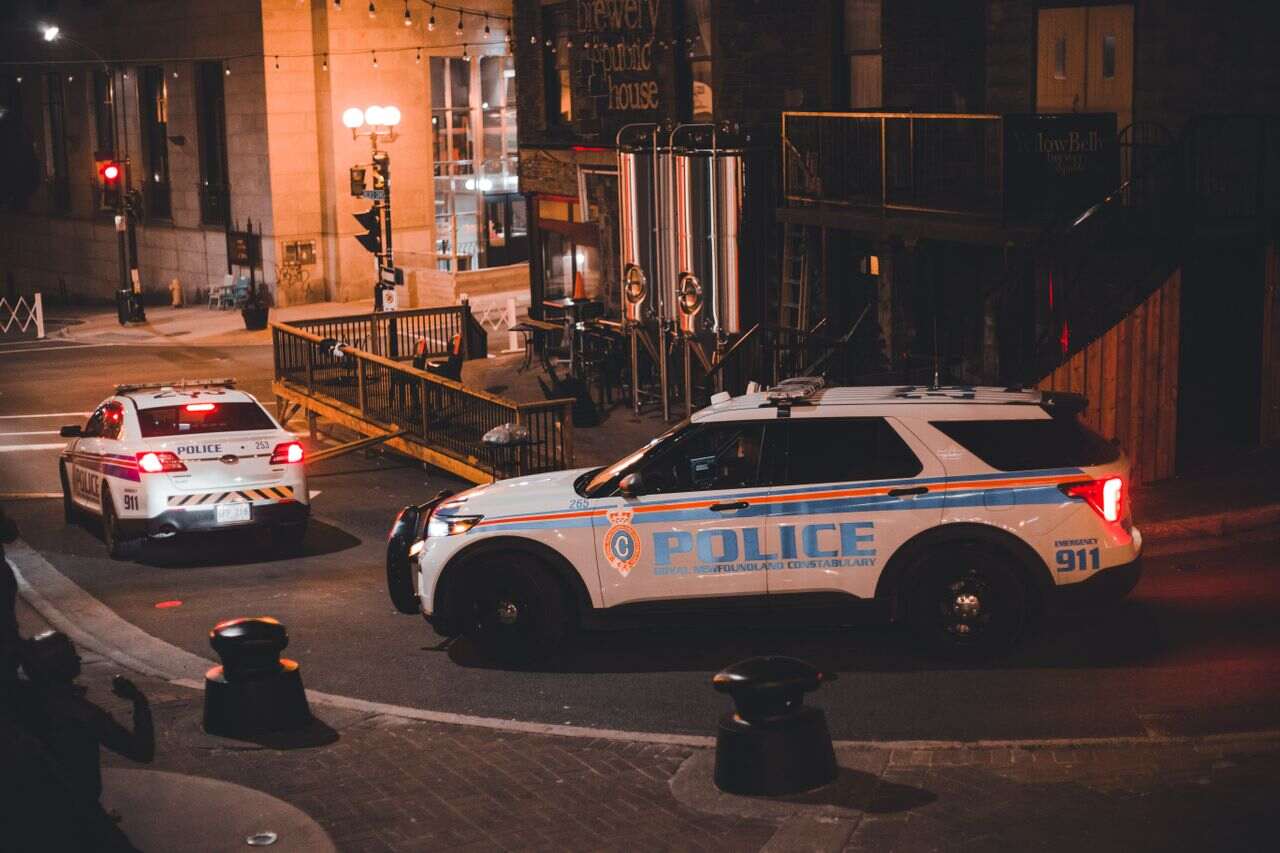
“Fail to remain” means leaving the scene of an accident without stopping, providing required information, or helping an injured person. In Ontario, this conduct can result in a Highway Traffic Act offence or, in more serious circumstances, a Criminal Code charge. If you were the pedestrian, cyclist, or driver left behind, however, you may still be able to recover compensation even if the driver is never identified.
Table of Contents
ToggleFail to remain generally means leaving the scene of an accident without fulfilling the legal duties that follow a collision. It is commonly called a hit-and-run.
Ontario has two separate legal offences:
Fail to remain under the Highway Traffic Act and failure to stop under the Criminal Code are separate offences with different requirements and penalties.
A fail to remain charge can arise when someone involved in a collision leaves instead of stopping and carrying out the duties imposed by law. Depending on the circumstances, failing to remain at the scene of an accident can result in a provincial offence or a criminal charge.
Generally, yes. “Hit-and-run” is the common expression for leaving the scene of an accident, while “fail to remain” and “failure to stop after an accident” describe the relevant legal offences.
I have more than 30 years of experience focused exclusively on personal injury, disability, and insurance litigation in Hamilton. As a pedestrian accident lawyer and Hamilton personal injury lawyer, I represent people, including pedestrians, cyclists, and motorists hurt in hit-and-run accidents. I do not represent drivers facing fail-to-remain charges.
Before representing injured people, I worked on the insurance-defence side. That experience gives me insight into how insurers investigate, assess, and challenge claims, which can be particularly important when compensation depends on Accident Benefits, Uninsured Automobile Coverage, or an unidentified-driver claim.
Clients who work with me benefit from my personal handling of every file and from my recognition:
I offer free consultations and offer contingency-fee representation, meaning you do not pay upfront legal costs.
I can investigate the collision, preserve evidence, identify available insurance, deal with insurers, document your losses, and pursue appropriate compensation. The driver does not necessarily need to be identified before a claim begins.
A driver involved in an accident in Ontario must stop and fulfill specific legal obligations. Under section 200 of the Highway Traffic Act, a driver must:
There is also a separate obligation to report certain collisions to police.
Stop, check for injuries, remain at the scene, exchange the information required by law, and provide assistance to anyone who is injured. The collision must also be reported when Ontario’s reporting rules apply.
A collision must be reported when someone is injured or the accident otherwise meets Ontario’s mandatory reporting requirements. The current property-damage threshold is $5,000 in total damage, although some circumstances require reporting regardless of the estimated damage.
A hit-and-run should also be reported promptly.
Fail to remain under section 200 of Ontario’s Highway Traffic Act is a provincial offence. It generally applies to accidents on a highway when the person in charge of a vehicle fails to stop, remain at or immediately return to the scene, and perform the duties required by law.
A fail to remain penalty in Ontario can include:
Fail to remain under the HTA is a strict-liability offence. It is different from the criminal offence of failure to stop after an accident.
The fail to remain fine in Ontario ranges from $400 to $2,000. A conviction can also result in imprisonment for up to six months, seven demerit points, and a licence suspension of up to two years.
A fail to remain conviction under the Highway Traffic Act carries seven demerit points. These points are separate from any fine, suspension, or other consequence.
Failure to stop after an accident can be a criminal offence under section 320.16 of the Criminal Code of Canada. Unlike the HTA offence, the Criminal Code provision is not restricted to accidents occurring on a roadway.
It applies where a person operating a conveyance knows, or is reckless as to whether, it was involved in an accident and, without reasonable excuse, fails to stop, give their name and address, and offer assistance if another person appears to need it.
It can be. Ontario has a provincial fail to remain Highway Traffic Act offence, while the Criminal Code creates the separate criminal offence of failure to stop after an accident.
Criminal Code penalties increase significantly when bodily harm or death results:
These criminal penalties are separate from the fail to remain penalty under Ontario’s Highway Traffic Act.
Fail to remain under the Highway Traffic Act and failure to stop under the Criminal Code are separate offences.
| Highway Traffic Act, s. 200 | Criminal Code, s. 320.16 |
Where it applies | Accidents on a highway | Accidents involving a conveyance; not limited to highways |
Type | Provincial offence | Criminal offence |
Maximum fine | $2,000 | Depends on prosecution and offence |
Maximum imprisonment | Six months | 10 years generally; 14 years for bodily harm; life for death |
Demerit points | Seven | No HTA demerit-point penalty |
Driving consequences | Suspension up to two years | Criminal driving prohibition may apply |
Criminal record | No criminal conviction under s. 200 itself | Yes, upon conviction |
For an injured pedestrian, cyclist, or motorist, these penalties are separate from the right to pursue compensation.
If you were injured in a hit and run in Ontario, you may still be able to recover compensation even when the driver is never found. You do not need to wait for a conviction, or even identification of the driver, before investigating your rights.
Potential sources of hit-and-run compensation in Ontario include:
Which source applies depends on the circumstances. Ontario Accident Benefits may be accessed through your own policy, a household member’s policy, another applicable insurer under Ontario’s priority rules, or, in appropriate cases, the MVACF.
Pedestrians and cyclists also have an important protection under section 193 of the Highway Traffic Act. In applicable civil actions, the legislation places the burden on the motorist to prove that the loss did not arise through the motorist’s negligence or improper conduct.
There are exceptions. For example, Ontario’s Insurance Act can restrict a victim’s right to sue if that person was driving their own uninsured vehicle when the collision occurred.
Yes. An injured hit-and-run victim may have access to compensation even if the at-fault driver remains unidentified. Accident Benefits, Uninsured Automobile Coverage, OPCF 44R coverage, and the MVACF may all be considered.
The MVACF is Ontario’s compensation source of last resort for certain motor vehicle accidents when no automobile insurance is available. Eligibility depends on the circumstances, and applicable insurance generally must be pursued before the Fund.
Protect your health and preserve evidence by taking these steps:
If you were injured by an unidentified driver, I can help investigate the collision and determine which compensation route applies.
A hit-and-run victim may have two distinct routes to compensation: no-fault Accident Benefits and a tort or uninsured-motorist claim. Depending on eligibility, Accident Benefits can provide:
A tort or uninsured-motorist claim may address pain and suffering, past and future income loss, and other eligible damages.
Unidentified-driver claims can be evidence-heavy. Report the accident promptly, notify your insurer quickly, and preserve independent evidence such as witness accounts, photographs, and camera footage.
Compensation depends on the injuries, losses, and insurance available. It can include treatment and rehabilitation expenses, income replacement, attendant care, pain and suffering in an eligible claim, and past and future income losses.
Although Ontario generally has a two-year limitation period for many lawsuits, much shorter insurance notification and application deadlines can apply.
These are the questions I hear often at my practice:
Fail to remain generally means leaving an accident without stopping, providing required information, or assisting an injured person. Ontario’s Highway Traffic Act and Canada’s Criminal Code contain separate offences addressing this conduct.
Under HTA section 200, the fine is $400 to $2,000. Other consequences can include seven demerit points, imprisonment, and licence suspension.
Consequences can include an HTA or Criminal Code charge, depending on the circumstances. Potential penalties range from fines and demerit points to imprisonment and, following a criminal conviction, a criminal record.
It can be. The HTA creates a provincial fail-to-remain offence, while Criminal Code section 320.16 creates the criminal offence of failure to stop after an accident.
A conviction under HTA section 200 carries seven demerit points.
Yes. An injured person may have access to Accident Benefits, Uninsured Automobile Coverage, OPCF 44R Family Protection Coverage, or, when no applicable insurance exists, the MVACF. I can explain hit-and-run and uninsured driver compensation if you are unsure which applies.
A hit-and-run should be reported to police and the appropriate insurer promptly. Early reporting also gives investigators a better opportunity to secure evidence and identify the driver.
I have more than 30 years of experience focused on personal injury, disability, and insurance litigation. As a hit-and-run accident lawyer in Hamilton, I personally handle every file and use my previous insurance-defence experience to navigate insurance coverage, Accident Benefits, and disputed unidentified-driver claims.
My office is at 19 Bold Street, Unit 1, Hamilton, Ontario, and I represent injured people in Hamilton, Stoney Creek, Burlington, Grimsby, Cambridge, Niagara, Brantford, and throughout the Golden Horseshoe.
Your consultation is free and carries no obligation. I work on a contingency-fee basis, meaning there are no legal fees unless I recover compensation for you.
Call me at 905-769-0418 to set up a free, no obligation consultation.
Get a Free Consultation to find out if you have a claim for your critical injury.
If you’ve been hurt in accident, call now for a free consultation.
"*" indicates required fields

I would highly recommend Derek Wilson to anyone. From the moment I met him, I knew he was the lawyer that I wanted to help me with my long term disability case. Derek is professional, knowledgeable, honest and straightforward. Derek has extensive experience in dealing with insurance companies and explained things to me through the whole legal process. Derek had my best interests at heart and worked to get results for me. Not only was I impressed with Derek, but also with his legal support team. A great team to have in your corner! Thanks again for your help with my case.





"*" indicates required fields
"*" indicates required fields
"*" indicates required fields