

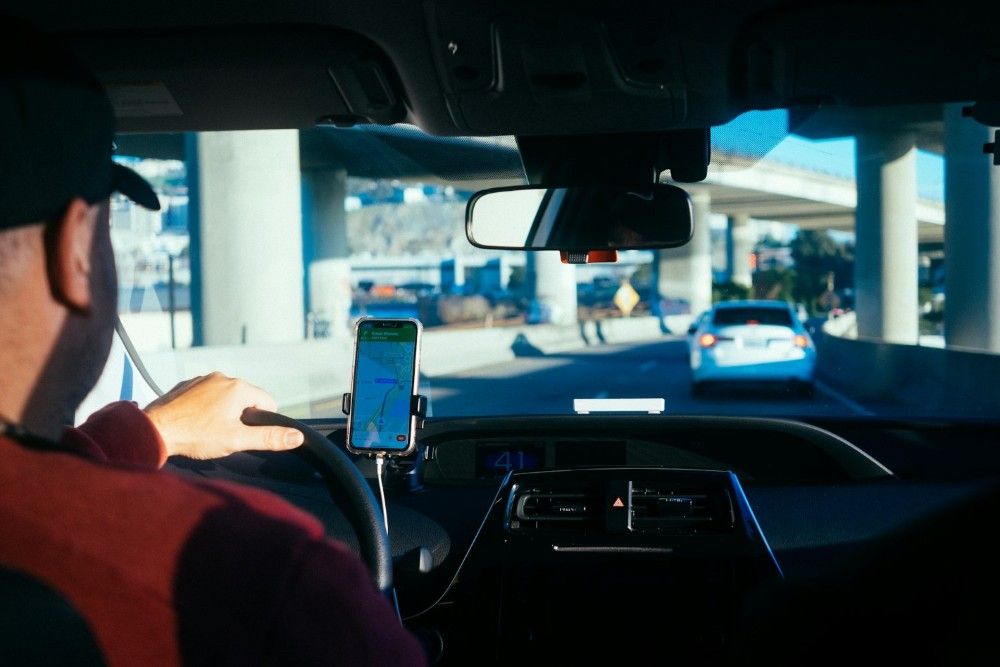

If you are injured as a passenger in an Uber, Lyft, or other rideshare vehicle in Ontario, you can usually pursue compensation even if you are unsure who caused the crash. Many passengers start with no-fault Accident Benefits under Ontario’s Statutory Accident Benefits Schedule (SABS), which can help cover treatment, rehabilitation, and income loss. Liability compensation depends on who was at fault and whether the rideshare app was on, which can determine whether a personal auto policy or a rideshare commercial policy applies. Saving trip details and reporting promptly can protect your claim.
Table of Contents
ToggleWho Pays After an Uber or Lyft Crash in Ontario?
Here is a simple way to think about the “insurance stack” after a rideshare crash in Ontario:
- Accident Benefits (SABS) usually come first. These are no-fault benefits available to passengers, drivers, pedestrians, and cyclists under Ontario’s regulated accident benefits system. For more information, you can contact a car accident or pedestrian accident in Hamilton.
- Liability coverage generally comes next. Who pays for a liability claim (the “fault-based” part) depends on who caused the collision and what insurance applies at the time. That last part can depend on whether the rideshare app was off or on.
- You can have more than one claim running at the same time. It is common to receive Accident Benefits while also pursuing a liability claim against the at-fault driver’s insurer.
- For Accident Benefits, Ontario has priority rules. If more than one insurer may be responsible, Ontario’s process is designed so the first insurer that receives a completed application generally pays benefits while insurers sort out priority disputes.
- For liability (fault-based) compensation, you typically claim against the insurer for the at-fault driver. That may be a personal policy or a rideshare commercial policy depending on ride status and app status.
Uber and Lyft Insurance in Ontario: When the App Is Off vs On (and Why It Matters)
The Financial Services Regulatory Authority of Ontario (FSRA) explains the core rule in plain language: when the app is turned off, the driver’s personal auto policy applies; when the app is on and ridesharing activity is happening, the approved ridesharing coverage applies.
If the rideshare driver is not in rideshare mode (for example, driving personally and not logged in), the driver’s personal auto insurance is generally the relevant policy.
When the driver is logged in and available, en route to pick up, or carrying a passenger, rideshare commercial insurance is typically engaged.
Does Uber’s Insurance Cover Passengers in Ontario?
Generally, yes, when the crash happens during rideshare activity (the trip-related periods). Uber’s Ontario materials describe ridesharing coverage through the commercial policy issued by Economical during the relevant coverage periods.
Is Lyft Insurance Different in Ontario?
The structure is similar in concept, in that coverage depends on app status and trip period. Lyft’s Ontario policy overview describes liability coverage as primary during driver mode through the end of the ride in the app, and it also references statutory Accident Benefits. Aviva is the insurer linked to Lyft in Ontario.
Accident Benefits for Passengers: What SABS Can Cover (No-Fault Benefits)
If you were injured in a rideshare accident, Accident Benefits are often the quickest way to start accessing help for treatment and time off work.
Ontario’s SABS regulation governs these benefits. Accident Benefits may cover:
- Medical and rehabilitation benefits (treatment and therapy)
- Attendant care (help with personal care if needed)
- Income replacement benefits (if you cannot work)
- Other benefits in specific circumstances under the SABS framework
Passengers often suffer injuries like whiplash, back injuries, fractures, concussion symptoms, and psychological injuries such as anxiety after a serious collision. Whether you were a passenger, a driver, an occupant in another car, or a pedestrian, SABS can help you access certain benefits regardless of fault.
For a deeper overview, I have written a guide to Statutory Accident Benefits (SABS) in Ontario.
How Do I Start an Accident Benefits Claim After a Rideshare Crash?
You can contact either your own auto insurer (if you have personal coverage) or the rideshare company’s insurer if you do not have personal insurance, and request an Accident Benefits application package. You must contact the insurer within seven days of the accident or as soon as reasonably possible.
Once you receive the package, you must complete and file all forms carefully, submitting any additional documentation the insurer requests. It is important to keep a copy of the completed forms you send, any evidence you provide to the insurer, and all correspondence you receive from the insurer.
Determining Liability: When Another Driver Is at Fault vs. When the Rideshare Driver Is at Fault
Accident Benefits help with immediate needs, but many passengers also want to understand the “fault-based” side: Uber accident liability and who pays damages beyond SABS.
Who Is Liable if Another Car Hits My Uber in Hamilton?
If another driver caused the crash, the liability claim typically proceeds against that driver’s insurer. In other words, who pays in an Uber accident in Ontario depends on who caused the crash. Uber’s rideshare coverage does not automatically replace the at-fault driver’s responsibility.
That said, multiple policies can be involved, and coverage coordination can get complicated when rideshare status is disputed. Your driver may have just switched off the app because you were about to get out of the car, for example, or there may be multiple liable parties involved. Early advice from a Hamilton personal injury lawyer can help you pursue fair compensation.
When Is Uber or Lyft Coverage Primary vs Backup?
A practical way to understand when rideshare coverage is primary versus when a personal policy is primary:
- When the app is off: The driver’s personal policy is generally the relevant liability coverage.
- App is on and there is rideshare activity: The rideshare commercial coverage is generally designed to respond during the trip-related periods described in the platform and insurer materials.
For passengers, ride status evidence (such as the trip receipt, trip ID, and in-app confirmation) is often critical to prevent disputes about which policy should respond.
Insurance: Who Pays by Scenario
The following table summarizes common scenarios:
| Scenario | Accident Benefits (SABS) | Likely Liability Coverage |
| App off, personal driving, passenger injured | SABS via applicable Ontario priority rules | Driver’s personal auto insurer |
| App on, driver mode or active trip | SABS via priority rules (first insurer pays pending disputes) | Rideshare commercial policy during applicable periods |
| Another driver at fault hits your rideshare | SABS still applies first | At-fault driver’s liability insurer (rideshare status still matters for coordination) |
Compensation for Uber Passengers: What Affects Settlement Value in Ontario?
Many people are wondering about Uber accident compensation because they have been in a rideshare accident and are worried about their financial future. It is important not to treat rideshare claims as one-size-fits-all. Every accident is fact-specific, but the most common factors that can affect your settlement include:
- Severity and duration of injuries: Short-term soft tissue injuries are likely to result in smaller settlements than long-lasting, major impairments such as permanent paralysis or severe traumatic brain damage.
- Treatment needs and recovery timeline: Your Uber or car accident lawyerwill consider the cost and duration of rehabilitation and future care to help determine how much your claim could be worth.
- Time off work and income loss: Wage documentation and employment records can be critical. The higher your income and the more time you need to take away from work because of your injuries, the more you can generally pursue in damages, especially if you may not be able to return to your career soon.
- Impact on daily function: If you experience limitations in self-care, household tasks, and family roles, you can seek compensation to help address those losses and help pay for the support and services you need.
- Causation and credibility: Insurers may dispute whether symptoms are accident-related or pre-existing, seeking to reduce your claim.
Early in my career, I represented insurance companies for a law firm in Toronto. I know how insurers seek to dismiss injuries as “not serious,” even when they threaten your livelihood. My role is to make sure that the total costs of your injury, including many you may not have considered, are taken into account and that we seek fair compensation for those losses.
Can I Claim Pain and Suffering After a Rideshare Crash in Ontario?
In Ontario, fault-based claims for non-pecuniary damages (often described as pain and suffering) are shaped by Ontario’s legislative framework, including threshold concepts under the Insurance Act. In general, if you have a “permanent serious impairment” due to an injury in a rideshare accident, you may be able to seek damages for pain and suffering.
What to Do After a Rideshare Accident in Hamilton: Steps That Protect Your Claim
Nobody expects to be in an accident. If it happens to you and an Uber or other rideshare vehicle was involved, use this checklist to protect yourself:
- Get medical attention. If you are unsure whether you are injured, get assessed anyway. Early documentation matters. You can visit St. Joseph’s, Hamilton General Hospital, or one of the urgent care centres in the city.
- Take screenshots in the app. If you are a passenger in a rideshare car, save the ride details, including trip ID and receipts, before they disappear from view.
- Photograph the scene. Take photos and videos of the vehicles, plates, damage, and road conditions at the scene of the accident.
- Get driver and witness information. Gather names, contact numbers, and plate numbers. Ask the rideshare driver about their insurance information.
- Ask about video sources. Check to see if nearby businesses or vehicles have dashcams, building cameras, or security cameras. Ask for a copy of any footage before it gets lost or overwritten.
- Report the collision when required. In Hamilton and surrounding communities, police attendance is not always required at the scene if there were no injuries. However, for any highway collisions, property damage over $5,000, and accidents resulting in injuries, you must report at a Collision Reporting Centre.
- Notify relevant insurers promptly. This includes starting Accident Benefits where appropriate. Priority disputes between insurers should not stop benefits from being paid once a completed application is received.
Where Do I Report a Collision in Hamilton?
If your vehicle is drivable, you must drive it to a Collision Reporting Centre within 48 hours. You are also expected to go to a Collision Reporting Centre if you are injured as a passenger, bicyclist, or pedestrian. In most cases, you can begin your report online through the Accident Support Services website and then complete the process in person.
Deadlines and Common Mistakes That Can Hurt an Uber Passenger Claim
Delays can harm both Accident Benefits and liability claims, especially in rideshare cases where proof of trip status matters. You may be dealing with several types of deadlines after your accident:
- Accident Benefits timelines: SABS-related forms and insurer processes can be strict, and delays can complicate eligibility and documentation.
- Liability claim limitation period: Ontario’s Limitations Act, 2002 establishes a basic two-year limitation period, subject to the discovery framework.
- Evidence preservation: Ride receipts, app screenshots, and witness details are easier to obtain immediately than weeks or months later.
There are multiple deadlines and exceptions to those deadlines. Your safest course is to report the accident as soon as possible and to consult with an experienced Uber and rideshare accident lawyer in Hamilton as early as you can.
How Long Do I Have to Sue After a Rideshare Accident in Ontario?
Ontario’s general framework includes a basic two-year limitation period, but there are notice and reporting requirements that come before that deadline. If you are unsure about timing, get legal advice early rather than trying to calculate dates yourself.
How Derek Wilson Injury and Disability Law Can Help After a Rideshare Crash
Rideshare crashes can become complicated when insurers dispute app status, policy priority, or the severity of injuries. Derek Wilson Injury and Disability Law helps passengers in Hamilton and across Ontario coordinate Accident Benefits and liability claims, preserve evidence, and push back when insurers delay or deny. If you have been injured in an Uber, Lyft, or other rideshare collision, contact my law firm for a free consultation. I can review your coverage, explain your options, and help you pursue the compensation you need to move forward.