

Personal Injury & Disability Lawyer » Personal Injury Lawyer St. Catharines, Ontario » St. Catharines Truck Accident Lawyer
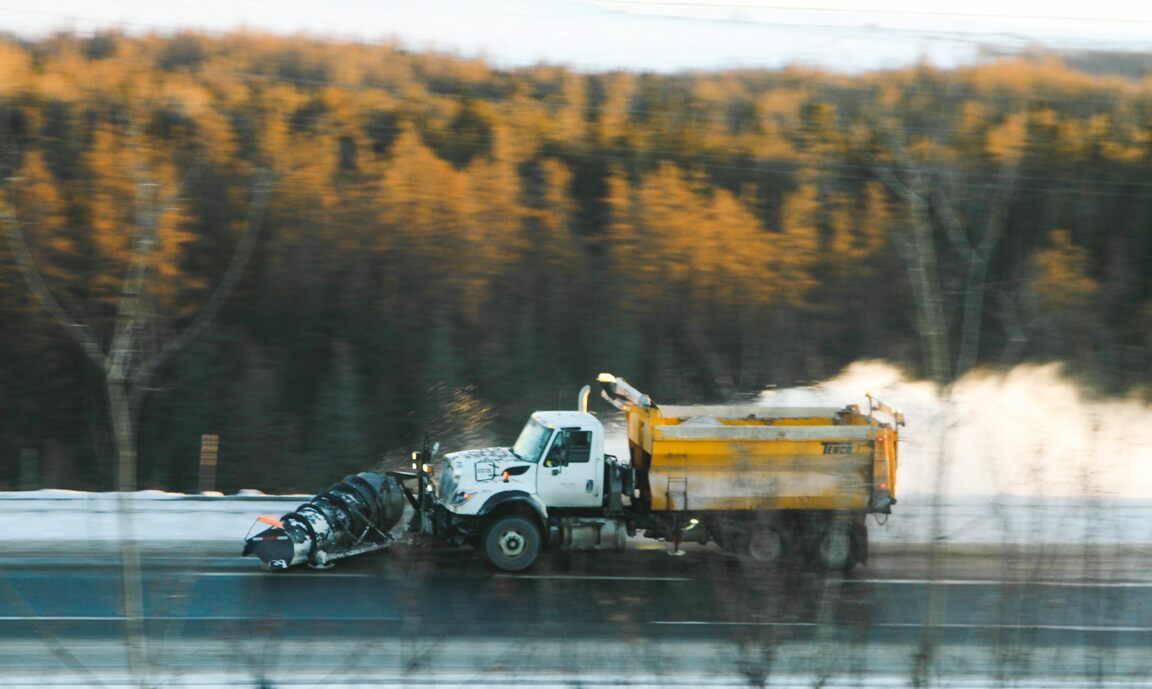
A truck accident in St. Catharines may involve several responsible parties, including the driver, commercial carrier, vehicle owner, maintenance contractor, or cargo loader. Establishing liability often requires evidence beyond a police report, such as electronic driving logs, CVOR records, maintenance files, and cargo documentation. I represent people seriously injured in transport truck and commercial vehicle collisions throughout St. Catharines and the Golden Horseshoe, helping them investigate their claims and pursue compensation under Ontario law.
Table of Contents
ToggleA commercial truck accident lawyer can investigate the collision, determine who may be responsible, and pursue compensation for your injuries.
I can obtain relevant trucking records, examine commercial insurance coverage, coordinate accident benefits with a liability claim, and assess your financial losses. Depending on the circumstances, I may negotiate with insurers or pursue litigation.
Unlike many car accidents, commercial truck collisions can involve multiple companies, substantial insurance coverage, and specialized transportation regulations.
A carrier’s operating practices, a contractor’s repairs, or another company’s loading procedures may have contributed to the crash.
Serious injuries can also create complex questions about future care and lost earning capacity.
Consider seeking legal advice promptly, especially if your injuries require hospitalization or ongoing treatment.
Electronic records, dispatch communications, maintenance documents, surveillance footage, and witness evidence may become difficult to obtain over time.
Early investigation can help preserve information needed to establish liability.
I’ve practised law since 1993, with extensive experience in insurance litigation, personal injury, and disability claims.
I previously represented insurance companies. Today, I use that experience to advocate for injured people.
I deliberately accept a limited number of cases so I can remain personally involved. My Hamilton-based practice serves St. Catharines and communities throughout the Golden Horseshoe.
I understand how insurers investigate accidents, assess medical evidence, and dispute compensation.
They may question who caused the collision, whether an injury resulted from it, or how much income and future care you’ve lost.
My defence experience helps me anticipate these issues and identify the evidence needed to address them.
Yes. I personally manage the cases I accept.
By maintaining a smaller caseload, I can follow developments closely, understand how your injuries affect your life, and remain available to discuss your concerns.
You won’t have to wonder which lawyer is responsible for your file.
I offer free initial consultations. Where applicable, I work on a contingency-fee basis, meaning my legal fees depend on a successful recovery.
I’ll explain the retainer, fees, disbursements, and applicable taxes before you decide whether to proceed.
Responsibility for a commercial truck collision isn’t necessarily limited to the driver.
Several parties may have contributed through negligent driving, unsafe business practices, defective equipment, or improper cargo handling.
Party | Potential Liability Issue | Evidence |
Truck driver | Fatigue, distraction, speeding, unsafe manoeuvres | Driver logs, video, witness accounts |
Trucking company or carrier | Inadequate training, supervision, scheduling, or maintenance | Dispatch records, policies, CVOR history |
Truck owner or leasing company | Negligent maintenance or other applicable failures | Ownership agreements, inspection records |
Maintenance provider | Defective repairs or overlooked mechanical problems | Service records, repair invoices |
Cargo loader or shipper | Overloading, uneven loading, unsecured freight | Bills of lading, weight and loading records |
Vehicle or parts manufacturer | Defective equipment | Product records, engineering evidence |
Other road users | Negligent driving | Police reports, photographs, witnesses |
A driver may be liable when negligent conduct causes or contributes to the collision.
Potential examples include:
Liability requires evidence connecting the driver’s conduct to the accident and resulting harm.
A carrier may be responsible for its driver’s negligence or its own operational failures.
These can include negligent hiring, inadequate training, poor supervision, unsafe schedules, neglected maintenance, or failure to address known safety concerns.
Ontario’s Commercial Vehicle Operator’s Registration (CVOR) program provides information about commercial operators’ safety records that may assist an investigation.
Yes. A maintenance provider may be liable if negligent repairs or overlooked brake and tire defects contribute to a crash.
A cargo loader may also bear responsibility when overloading, uneven weight distribution, or inadequate securement makes a vehicle unsafe.
Repair documents and loading records can help establish what happened.
Yes. Ontario’s Negligence Act allows fault to be apportioned among negligent parties.
For example, unsafe driving and deficient carrier supervision may both contribute to a collision.
An injured person’s contributory negligence can also affect the damages recoverable.
Commercial freight travels through St. Catharines along routes including the QEW, Highway 406, and the Garden City Skyway crossing over the Welland Canal.
Collisions involving semi-trucks, tractor-trailers, delivery trucks, dump trucks, tankers, and flatbeds may result from:
The cause must be established through evidence, not assumptions about a particular road or vehicle.
Fatigue can impair judgment, concentration, and reaction time.
Ontario’s O. Reg. 555/06 generally limits applicable commercial drivers to 13 hours of driving per day, alongside other duty and rest requirements.
Many drivers must use certified electronic logging devices, subject to exemptions.
Driving logs and dispatch records may help establish whether fatigue contributed to a collision.
Mechanical defects and unstable loads can compromise a truck’s handling and braking.
Ontario regulates commercial vehicle inspections through O. Reg. 199/07 and cargo security through O. Reg. 363/04.
Inspection reports, repair records, and loading documents may reveal whether regulatory noncompliance or negligence contributed to the accident.
Serious commercial vehicle collisions include:
The collision type may help investigators identify relevant factors, including braking, vehicle stability, visibility, and cargo movement.
Truck accident evidence can establish how a collision occurred, identify negligent parties, and document the injuries sustained.
Commercial operators may possess information unavailable to an injured person without a formal investigation.
Evidence | What It May Help Establish |
Electronic logging device records | Driving hours, duty status, possible fatigue |
Event data recorder or truck electronic data | Available information about vehicle operation |
GPS and telematics | Location, routes, operating patterns |
Dashcam footage | Events surrounding the collision |
CVOR records | Carrier safety history and regulatory information |
Driver qualification and training records | Credentials, training, employer oversight |
Dispatch communications | Scheduling and delivery instructions |
Maintenance and repair records | Mechanical defects and repairs |
Daily inspection reports | Reported vehicle deficiencies |
Cargo and loading records | Weight, loading, securement |
Police report | Reported collision circumstances |
Witness statements | Independent observations |
Scene photographs and video | Damage, road conditions, vehicle positions |
Surveillance footage | Events captured by nearby cameras |
Medical records | Injuries, treatment, functional limitations |
Collision reconstruction evidence | Sequence and potential causes of the crash |
Electronic logging devices primarily record driving time and duty status.
Other onboard systems may capture speed, braking, engine activity, or location information, depending on the equipment installed.
This information can support collision reconstruction, although not every truck records the same data.
CVOR records help assess a commercial operator’s safety history.
They may contain information about collisions, convictions, inspections, safety ratings, and Ministry interventions.
These records can reveal relevant compliance concerns, but previous violations do not automatically establish liability for a particular accident.
Electronic data can be overwritten, vehicles repaired, and relevant documents dispersed among businesses.
Witness recollections may also become less reliable.
Promptly identifying and preserving records can help establish the collision’s cause and the responsibilities of those involved.
Commercial truck accidents can cause injuries with lasting physical, emotional, and financial consequences.
These include:
A brain injury lawyer or spinal cord injury lawyer can help assess the long-term consequences of serious neurological injuries.
Some injuries require years of rehabilitation, ongoing treatment, attendant care, or home modifications.
Permanent restrictions may also reduce earning capacity or prevent a return to employment.
Medical assessments and rehabilitation evidence help establish future needs and potential long-term disability.
Ontario truck accident victims may qualify for automobile accident benefits and compensation through a liability claim.
Accident benefits provide specified insurance coverage to eligible injured people, generally regardless of fault.
A tort claim seeks damages from parties legally responsible for the collision.
Depending on the circumstances, recoverable damages may include:
Statutory restrictions, thresholds, and deductibles may affect recovery.
There is no standard settlement amount.
Claim value depends on injury severity, permanence, medical prognosis, pre-accident functioning, employment consequences, and future care requirements.
Liability, contributory negligence, and available insurance coverage also matter.
A proper assessment considers documented losses and reasonably supported future needs.
Yes. Contributory negligence does not necessarily eliminate your claim.
Ontario law generally permits damages to be reduced according to your share of fault.
For example, a finding of 20% responsibility may reduce recoverable damages by 20%.
Eligible injured people may receive Statutory Accident Benefits through applicable automobile insurance coverage without proving another party caused the crash.
Ontario’s July 1, 2026 reforms changed which benefits are mandatory.
Medical, rehabilitation, and attendant-care benefits remain mandatory. Other benefits, including income replacement, non-earner, death, funeral, and certain additional supports, may depend on optional coverage and the policy applicable to the accident.
The Financial Services Regulatory Authority of Ontario provides information about the province’s automobile insurance system.
Learn more about Ontario accident benefits.
Yes. Accident benefits are based on insurance entitlements, while a lawsuit generally requires proof of another party’s legal responsibility.
Both claims may proceed, but statutory rules can affect how benefits interact with damages.
Receiving accident benefits does not automatically prevent a liability claim.
Work-related collisions may involve the Workplace Safety and Insurance Board (WSIB).
Truck drivers, delivery workers, construction employees, and others injured during employment may be subject to workplace insurance rules.
Depending on coverage and the parties involved, those rules can affect the right to sue.
Prioritize medical care, then preserve information that may support your claim.
Never risk your safety to collect evidence.
Niagara Regional Police operate a Collision Reporting Centre at 198 Welland Avenue.
Reporting requirements depend on the circumstances. Collisions involving serious injuries or other specified situations may require police attendance.
Check current instructions with the Niagara Regional Police Service.
Niagara Health’s Marotta Family Hospital provides emergency care in St. Catharines.
Seek immediate medical attention for serious symptoms following a collision. Some injuries may not become apparent until later.
Ontario’s Limitations Act, 2002 generally establishes a two-year basic limitation period beginning when a claim is discovered.
However, exceptions and other statutory deadlines may apply. The deadline is not necessarily two years from the accident date in every case.
Yes. Additional deadlines may affect:
Some requirements arise well before the general civil limitation period expires.
A serious truck collision can leave you facing difficult decisions while you’re still recovering. Medical appointments, lost income, and uncertainty about the future are challenging enough without disputes involving several insurers or trucking companies.
I’ve practised law for more than 30 years, including substantial experience defending insurers. Today, I use that knowledge to represent injured people.
I personally handle the cases I accept and maintain a limited caseload. Whether your claim requires electronic truck data, driver logs, CVOR records, maintenance files, or cargo evidence, I’ll focus on identifying the information needed to assess your options.
From my Hamilton practice, I represent clients throughout St. Catharines and the Golden Horseshoe.
If you’ve suffered serious injuries, lost your ability to work, or lost a family member in a commercial vehicle collision, I offer a free consultation to discuss your circumstances.
Contingency-fee representation is available where applicable.
You can learn more about my experience as a truck accident lawyer in Ontario or visit my St. Catharines car accident lawyer page.
Bring any available evidence you have. This may include:
You don’t need everything before contacting me. We can start by consulting about what happened, how you’ve been affected, and what steps may be appropriate.
Get a Free Consultation to find out if you have a claim for your critical injury.
If you’ve been hurt in accident, call now for a free consultation.
"*" indicates required fields


"*" indicates required fields
"*" indicates required fields
"*" indicates required fields